Digital integration through a framework alliance contract
Strategic commitments to digital technologies can be improved through direct relationships between a framework provider, clients, manager and suppliers which:
■ Ensure stronger commitment to shared objectives and collective self-regulation, as well as to improved transparency and efficiency, creating the ability to share digital information on mutually agreed terms
■ Enable collective decision-making so that the outcomes from the digital technologies used on different projects are drawn together and applied more effectively
■ Enable value-adding digital activities and processes, stating who works with whom and at what level of responsibility
■ Clarify the whole life operational impact of digital information on the repair, maintenance and operation of completed framework projects.

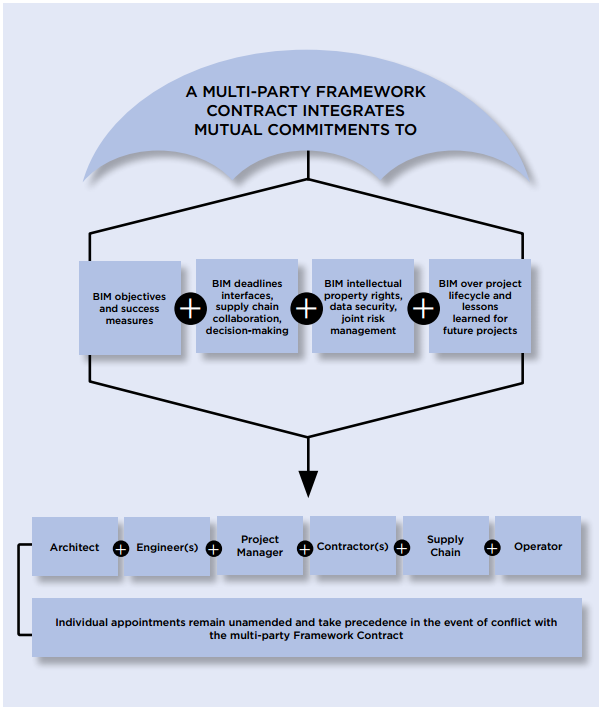
Diagram 4: A framework alliance contract operating as an integrated information management contract
In order to develop and communicate digital information more efficiently across project teams, across project lifecycles and across frameworks, a multi-party framework alliance contract can act as an 'integrated information management contract' which clarifies and connects the shared objectives, direct relationships and common standards that are needed to create, share and manage secure, resilient digital information among multiple organisations. This contractual model reflects the pivotal role of collaboration in construction projects and asset management as stated in the BIM international standard ISO19650-1:2018.
|
The BIM international standard ISO19650-1:2018 states that 'collaboration between the participants involved in the construction projects and in asset management is pivotal to the efficient delivery and operation of assets' and that a significant outcome from collaboration is 'the potential to communicate, re-use and share information efficiently and to reduce the risk of loss, contradiction or misinterpretation'. |