Annex 5 Framework Supply Chain Collaboration
ESI through Supply Chain Collaboration is recognised in Cabinet Office guidance as a process which provides opportunities for the framework provider, clients, manager and suppliers to develop standardised, harmonised and aggregated supply chains. It creates longer term, larger scale supply chain opportunities for tier 2 and 3 subconsultants, subcontractors, manufacturers, suppliers and operators in return for improved commitments to efficiency savings and other economic, social and environmental value.
Annex 3 case studies 1, 2, 3, 4, 5, 6, 7, 8 and 9 demonstrate how ESI through Supply Chain Collaboration creates opportunities for tier 2 and 3 supply chain members to improve outcomes, improve value and reduce risks by working with clients and tier 1 suppliers during the preconstruction phase of framework projects and programmes of work.
The Trial Projects summarised in Annex 3 case studies 8 and 9 also demonstrate how Supply Chain Collaboration strengthens and improves strategic commercial relationships between tier 1 suppliers and their tier 2 and 3 subcontracted supply chain members by creating a supply chain framework alliance which supports:
■ Opportunities for supply chain members to develop a better understanding of framework projects and programmes of work through direct dialogue with the framework provider, clients, manager and suppliers
■ Opportunities for supply chain members to win more work for longer periods by demonstrating proposals for efficiency savings, other improved value, risk reduction, extended warranties, employment and skills commitments and innovations that improve the sustainability of framework projects
■ Opportunities for supply chain members to influence the approach taken by the framework provider, clients, manager and suppliers in calling off the framework projects and programmes of work, so as to improve efficiency and reduce risks in the delivery of specialist works, services and supplies.
Unlocking the potential of Supply Chain Collaboration requires a well-planned approach, using techniques that connect the framework provider, clients, manager and tier 1 suppliers to the specialist supply chain members who undertake crucial aspects of many construction projects and programmes of work. This goes much further than leaving tier 1 framework suppliers to renegotiate privately with their prospective supply chain members.
Clients can use Supply Chain Collaboration to enhance the opportunities for local and regional SMEs to win additional work, by exploring with tier 1 suppliers whether local or regional businesses offer better value than the tier 1 suppliers' intended supply chain members. This system enables the framework provider, clients and manager to influence improved tier 2 and 3 relationships and contributions as part of transparent, strategic sub-contract procurements that are led by tier 1 suppliers and do not require new public procurement processes.
Obstacles to Supply Chain Collaboration may arise where:
■ Framework suppliers may resist joint supply chain reviews if they suspect interference in their commercial arrangements with supply chain members
■ Framework suppliers may hesitate to undertake joint supply chain reviews if they suspect that clients are not committed to a transparent, collaborative approach
■ Tier 2 and 3 supply chain members may hesitate to engage in joint supply chain reviews if they suspect that framework suppliers are not committed to a transparent, collaborative approach.
A Gold Standard framework contract needs to describe the process of Supply Chain Collaboration in sufficient detail to ensure that the framework provider, clients, manager and suppliers:
■ Create a clear contractual path through any perceived obstacles
■ Comply with public procurement regulations
■ Avoid undermining the subcontracts through which framework suppliers manage their supply chains when delivering framework projects.
For example, FAC-1 describes the Supply Chain Collaboration process as:
■ 'agreeing through the Core Group, if not already set out in the Framework Brief, the basis for sharing information between Alliance Members in relation to their current and proposed Supply Chain Contracts and, if not already set out in the Timetable, the timescales for each stage of Supply Chain Collaboration
■ reviewing and comparing the value offered by each Alliance Member's current and proposed Supply Chain
■ reviewing the potential for more consistent, longer term, larger scale Supply Chain Contracts and for other improved Supply Chain commitments and working practices
■ jointly re-negotiating Supply Chain Contracts or undertaking joint Supply Chain tender processes, in each case through procedures to be approved by the Core Group, to be led by one or more agreed Alliance Members and to be organised, monitored and supported by the Alliance Manager
■ subject to approval by the Client and any Additional Clients of the Improved Value resulting from Supply Chain Collaboration, agreeing and entering into more consistent, longer term, larger scale Supply Chain Contracts and other improved Supply Chain commitments and working practices.'
The FAC-1 definition of 'Improved Value' includes improved 'Sustainability' which comprises 'measures intended to reduce carbon emissions, to reduce use of energy and or natural and manmade resources, to improve waste management, to improve employment and training opportunities, and otherwise to protect or improve the condition of the Environment or the well-being of people'.
The Supply Chain Collaboration activities recommended in Cabinet Office guidance are set out in Diagram 6.
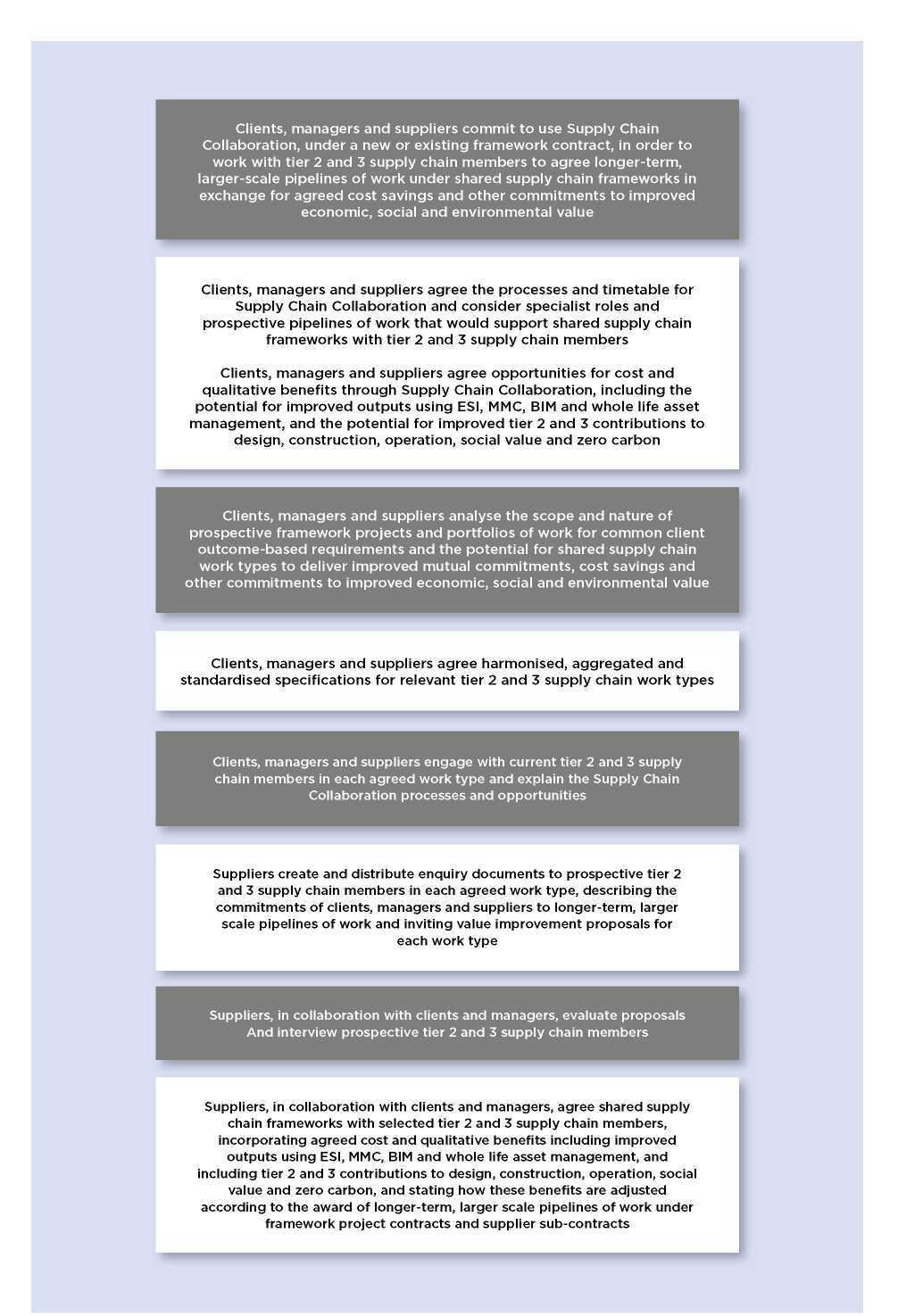
Diagram 6: Sequence of Supply Chain Collaboration activities