2.1 Net zero drives UK energy security
163. Energy security is foundational for achieving net zero, and increasingly the two go hand-in-hand. Wind and solar are now the cheapest forms of energy, and measures to reduce demand and flexibility upgrades are increasingly at the centre of the challenge to guarantee energy security and reach net zero.
164. This Review shows how energy security is essential to a growing economy and how we can deliver security and net zero in a way that benefits consumers.
165. Since government published its Net Zero Strategy in 2021, the UK and global context have changed significantly, fundamentally altering the economic landscape in the UK. Supply chain disruptions during the COVID-19 pandemic, a spike in demand for oil and gas as the global economy reopened, and a restricted supply of gas following Russia's illegal invasion of Ukraine have caused global fossil fuel prices to soar and prompted the high rates of inflation we currently see.138 Rising prices have, in turn, created considerable cost of living pressures across the UK.
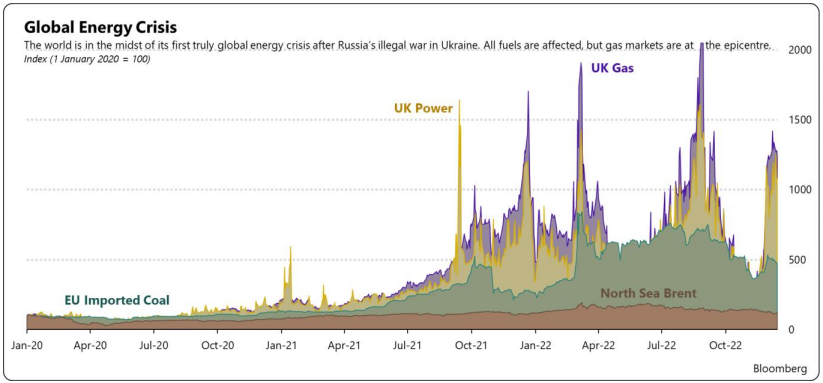
Figure 2.1 - The rise in energy prices over the past two years
166. This has had a significant impact on the global energy system. Internationally, it has led to many governments seeking to rapidly diversify away from oil and gas, providing significant incentives to accelerate the transition towards renewables and low carbon fuels. This year's expected jump in wind and solar generation is greater than any one year of growth in gas-fired power generation.139 This represents a seismic shift in the energy system.
167. According to the International Energy Agency's 2022 World Energy Outlook, for the first-time global demand for all fossil fuels appears to be peaking or plateauing across all scenarios. Coal demand peaks this decade, natural gas by 2030, and oil by the mid-2030s.140 This isn't enough to avoid severe climate impacts, but it is progress from where we were a few years ago. Stronger policies can steepen the decline.