2.1.1 Shifting sands: new policy paradigms
168. These events have created two paradigm shifts in energy policy. Firstly, it has become clear once again that energy security underpins economic growth and stability, and we must therefore address this as an immediate priority. Without a stable, nationally controlled energy mix, we won't have the foundation to shift energy policy towards net zero. Some countries have taken rushed and expensive measures in reaction to the recent crisis to enhance security and affordability, often at the cost of sustainability and progress towards net zero - whether that be fracking or increasing natural gas production.
169. Secondly, and equally importantly, the crisis and wider shifts in the cost of renewables have shown that green policies can be secure and affordable. Until recently, green energy policies often conflicted with objectives of security and affordability, involving difficult trade-offs in the short term. Whilst some of these trade-offs still hold, the objectives are now converging. With fossil fuels no longer providing the cheapest and securest form of energy, the previous blockers to sustainable energy policy are falling away. In August 2022 it cost over four times more to produce electricity from a combined cycle gas plant in the UK (£420/MWh) compared to the same period last year (£100/MWh).141 The cost of renewable power has tumbled recently. In 2023, estimates suggest it will be at least six times more expensive to generate electricity from gas in the UK than from onshore wind (though renewables require additional investment in peaking, storage, and flexibility technologies). Ember Climate research shows that decarbonising the power system by 2030 would save the UK £93 billion in gas costs. Moving away from hydrocarbons that are exposed to volatile wholesale pricing and towards a system based primarily on domestic renewables is now the optimal approach.142
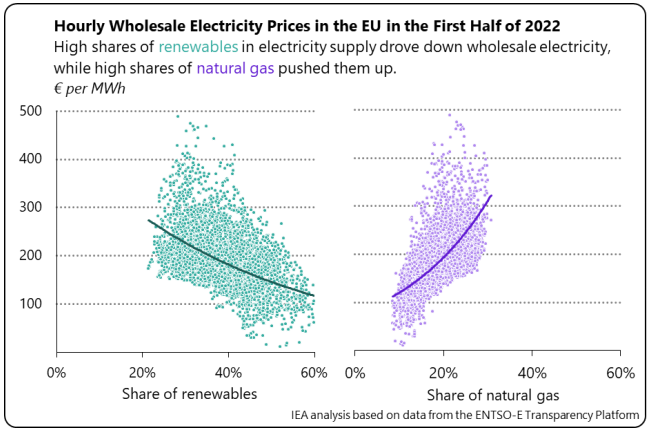
Figure 2.2 - Hourly wholesale electricity prices in the EU in the first half of 2022
170. From these new paradigms comes a clear focus for government. Policy must help to guarantee a domestic supply of energy which is reliable and free from disruption caused by geopolitical conflicts. The British Energy Security Strategy (BESS) went some way to recognising this, increasing ambitions for offshore wind, nuclear and hydrogen production and signalling reform of the planning system to catalyse deployment of renewables. As we set out below, government must set out clear policies, lay regulatory foundations and unblock processes to ensure we not only deploy the technologies but build the skills, jobs, and supply chains within the UK. With inflation soaring globally because of high energy prices, this action will also help guarantee an affordable supply of energy for consumers and businesses for the long term.