5.1.1 People are vital to delivering net zero
852. People have an essential role in delivering net zero. The choices individuals make about what they buy and use will shape the transition. As we move towards 2050, we will see people adopting more sustainable modes of transport, public transport, and sharing services, and petrol- and diesel-run cars will be replaced by electric vehicles. Consumers will be able to choose more sustainable and longer-lasting products and dispose of them in more sustainable ways. Our homes will be more energy efficient and heated by low carbon technologies like heat pumps, with solar panels providing more of a household's energy. Smart meters will help us to manage our energy use. Almost half of the actions in the Government's Net Zero Strategy require public action.585
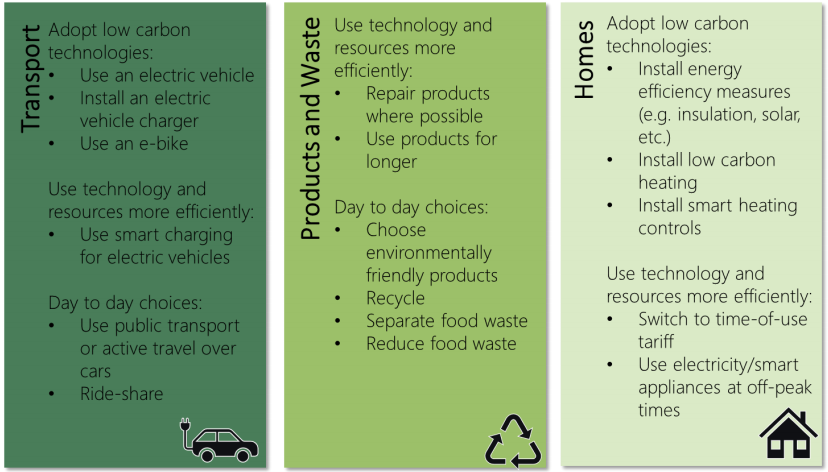
Figure 5.1 - Net Zero Strategy summary of role of individuals
853. The average household produces 8.5 tonnes of CO2 each year, mostly from travelling, the energy used to create the products we buy and the food we eat, and from heating our homes.586
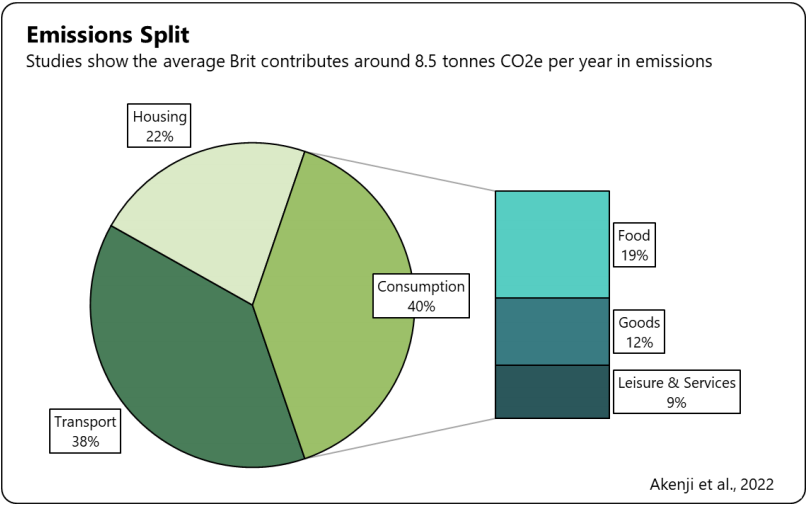
Figure 5.2 - Average lifestyle carbon footprint for a UK individual
854. Many people recognise the need to take personal action on climate change. A 2022 survey showed that climate change is the fourth largest public concern, after the economy, the cost of living and healthcare.587 Concern about climate change has remained largely stable, despite the current cost of living crisis.588 People recognise that these issues are interrelated and do not necessarily require trade-offs, e.g. that you can grow the economy while improving health and tackling climate change.589 People also recognise the need to take personal action: Ipsos Mori found that more than half (55%) feel that the responsibility to address climate change is shared jointly between government, industry and themselves.590
855. We are already seeing these changes. For example, one million electric vehicles have been registered in the UK, and 55,000 heat pumps were installed in 2021.591, 592 But other countries are going further and faster. For example, the UK has a lower deployment of heat pumps per capita than other large European nations: in 2021, France, Italy and Germany were the largest markets, with 537,000 heat pumps installed in France, 380,000 in Italy and 178,000 in Germany.593
856. Individual action can help to decrease the overall costs of delivering net zero. Recent research from the Government Office for Science has shown that individuals and businesses making green choices, such as changes to travel patterns and making more sustainable purchases, will lower the overall costs of the transition - provided they are supported by systemic changes.594
857. This chapter considers our individual roles in tackling climate change - and the steps government needs to take to make this a success. There are clear opportunities - but also genuine questions about how to make the transition fair and affordable. There is an urgent need to look at how government can support everyone to reduce their energy demand, particularly heating our homes in the context of today's high energy bills.