Energy efficiency - reducing energy demand from homes
949. Energy efficiency - broadly defined as 'using less energy to perform the same task or produce the same result'- has a vital role to play in decarbonising homes and saving consumers money. 666 The appliances we use in our homes (like cookers and fridges) as well as the building itself (e.g. through insulation) can be more or less energy efficient.xxxvi
"[Managing demand provides] not only a potentially large financial saving for customers, putting more money in their pocket, but will improve the balance of payments for the country and support the creation of highly skilled jobs consistent with the government's growth and levelling up agendas."667
950. The cheapest energy is the energy that we do not use - and energy efficiency offers other benefits too. Improving energy efficiency can cut energy bills - cavity wall insulation alone can save households £250 a year on average668 - and provide wider benefits. Energy Savings Trust says:
"retrofitting poorly performing homes to EPC-C standard will lower energy bills by £8.1 billion annually and reduce gas imports by 15%, bolstering energy security to benefit the wider economy and supporting 190,000 jobs across a range of trades to 2030."669
951. Energy efficient homes are more comfortable environments and can support health and wellbeing too.
952. Overall benefits for individuals are summarised in section 5.1. The opportunities offered by improved energy efficiency of homes are further demonstrated in the table below. 670
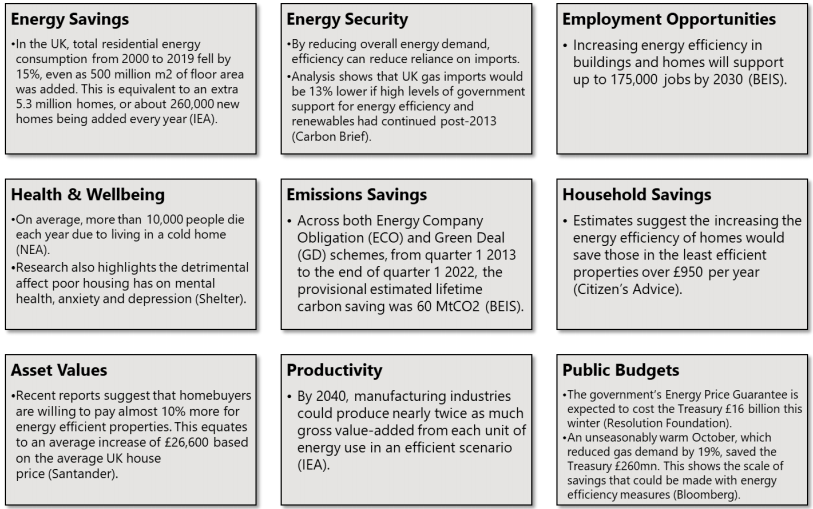
Figure 5.8 - The wider benefits of energy efficiency671
953. Improving the efficiency of other household services and appliances can save households money too. The Energy Saving Trust says that
"About 12% of a typical gas heated household's energy bill is from heating the water for showers, baths and hot water from the tap."672
"Heating water for use in our homes makes up about 5% of the UK's total carbon dioxide emissions."673
954. Similarly, energy efficient lighting will lower electricity bills and reduce carbon dioxide emissions, with lighting making up 11% of the average UK household's electricity consumption.674 The government banned halogen light bulbs from September 2021 with fluorescent light bulbs to follow suit. It estimates that this shift will cut around one million tonnes of CO2 - the equivalent of removing over half a million cars from UK roads.675 While the Review notes that households with light fittings that are incompatible with LED bulbs will incur further costs, LED lights last longer than halogen lightbulbs and use 80% less power making this a significant shift to lower cost of energy for consumers in the long-term.676
________________________________________________________________
xxxvi Energy efficiency measures include: cavity wall and solid wall insulation, roof and loft insulation, floor insulation, small measures such as draught proofing, reduced infiltration, low-flow shower heads, hot water tank insulation, behavioural measures (such as turning off lights), and other measures such as energy-efficient appliances and transitioning from gas to electric stoves.