Low carbon heating - decarbonising the supply of heat for homes
955. The heating mix in UK homes is dominated by natural gas. As such, replacing fossil fuel boilers is essential. There are three main ways to do this:
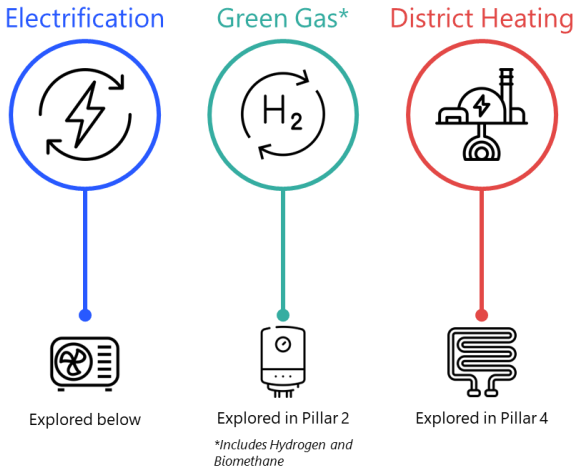
Figure 5.9 - Three ways to decarbonise home heating77
956. Heat pumps, powered by low carbon electricity, are the central technology in the global transition to sustainable heating.678 The Climate Change Committee (CCC) estimates that 19 million heat pumps need to be installed by 2050 in the UK to meet net zero.679 A heat pump can warm the home in winter and cool it in summer, using technology like that found in a refrigerator or an air conditioner. Heat pumps extract heat from a source, such as the surrounding air, geothermal energy stored in the ground, or nearby sources of water or waste heat from a factory. They then amplify the heat and transfer it to where it is needed in the home.680
957. Heat pumps are efficient, cost-effective and offer many other benefits. As heat pumps mostly transfer rather than generate heat, they produce multiple units of usable heat for each unit of electricity consumed to operate them.681 For example, the energy output of a heat pump is four times greater than the electrical energy used to run it.682 This makes current heat pump models 3-5 times more energy efficient than gas boilers.683 Currently, heat pumps are cheaper to run than gas boilers.
958. The low carbon heat industry can also boost the economy. Developing a strong UK manufacturing base in heat pumps could contribute £500 million GVA per annum in export opportunities, driven by the large market size for heat pumps particularly in north-western Europe.684 In response, UK boiler manufacturers like Vaillant and Ideal could capture nearly 10% of the EU's market.685